
Sports Card Value Identifier
Identifier StudioSports
4.5459.00 Reviews
- Version
- 2.2
- Installs
- 100.00K
- Age Rating
- Everyone
Screenshots


Our Review of Sports Card Value Identifier
 Analysis by Appyee
When I first opened Sports Card Value Identifier, the appeal was immediate: point a phone at a sports card and get a quick sense of what it might be worth. That promise is useful whether you are sorting a collection at home or deciding whether to take a closer look at a card across a dealer’s table. The real test, though, is whether a fast scan becomes a helpful collecting habit rather than a novelty you forget after a week.
What Does It Do?
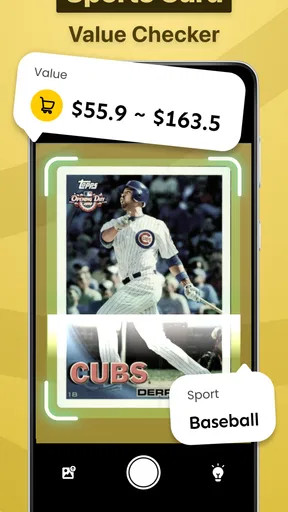
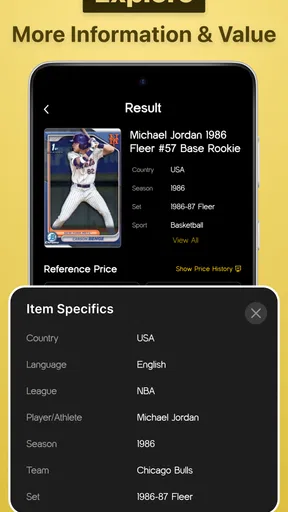
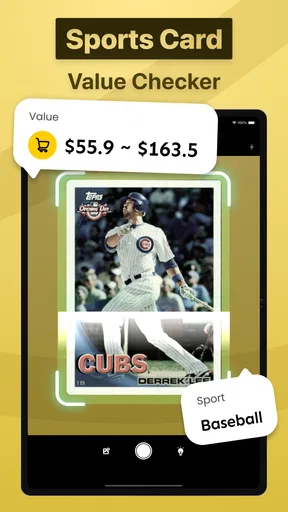
The Sports Card Value Identifier app is designed to help both seasoned collectors and newbies determine the value of their sports cards. It’s pretty straightforward: you scan your card using your phone’s camera, and the app does its magic to pull up all the information you need. It’s super handy, especially when you’re at a card show or sifting through a dusty old box in the attic.
Getting Started
First things first, downloading and setting up the app is a breeze. It’s available on both Android and iOS, so no worries about compatibility. Once installed, you’re greeted with a clean and intuitive interface. I appreciate apps that don’t make you feel like you need a degree in tech to navigate them, and this one fits the bill.
After a quick sign-up process, you’re ready to start scanning. The app asks for access to your camera, which is pretty standard fare. I was pleasantly surprised by how quickly it recognized the cards I scanned. It’s like having a personal assistant who never tires of flipping through card catalogs.
A quick scan is a starting point, not a final price
I find the scanner most valuable as a way to narrow a question down quickly: is this card worth researching, or is it one I can sort into the ordinary part of the box and revisit later? That distinction matters because a scan result should not automatically decide what you pay or accept in a trade. A card’s condition, the exact edition, and whether it is a special variation can all affect what a buyer considers fair. I use the app to identify promising candidates, then inspect the physical card carefully before treating a displayed estimate as a negotiating anchor.
For a practical check, scan the card in even light, keep it flat, and make sure the camera can see the details clearly. If the result looks surprising, try again rather than assuming the first match is definitive. Worn corners, glare, or an unusual design can make identification less straightforward. That extra minute is especially worthwhile when the card could influence a purchase or sale; for a low-stakes sorting session, a rough indication may be all you need.
Features That Stand Out
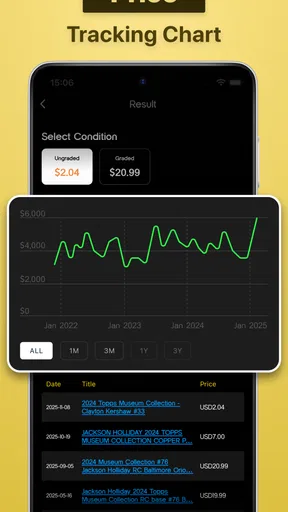
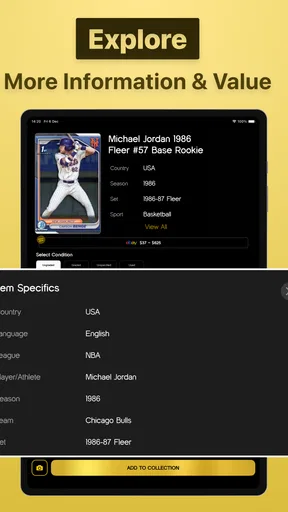
One of the features I really dig is the real-time pricing updates. The app pulls data from various marketplaces to give you the most current value of your cards. This is a game-changer for anyone looking to buy, sell, or trade cards. No more guessing games or outdated price lists.
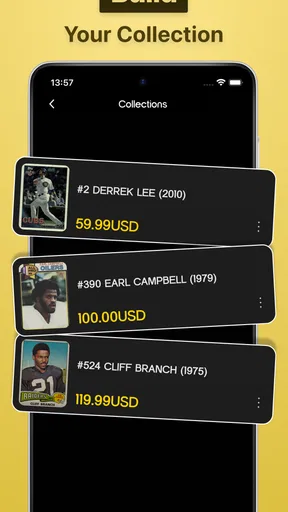
Another cool feature is the app’s collection management tool. You can easily organize your cards, keep track of what you own, and monitor changes in value. It’s like turning your card collection into a stock portfolio, which is oddly satisfying.
Where it fits in an everyday collecting routine
A realistic use for me is a short sorting session after coming home with a mixed box: I scan the cards that look unfamiliar or potentially interesting, record what deserves a closer look, and leave the rest for another pass. That beats trying to research every card one by one while the pile is still on the table. At a card show, I would use the scan as a quick screening step, then compare the card’s actual condition and details before deciding whether an asking price makes sense.
This workflow is more useful than treating the app as an all-purpose price authority. A scanner can save time on identification and give you a point of reference, while a careful buyer still checks comparable sales and the specific card in hand. When there is no urgency, a little manual research can be the better option; when you have a large pile and need to prioritize, scanning has a clearer advantage.
Usability and Performance
In terms of usability, the app runs smoothly with no noticeable lags. The scanning feature is surprisingly accurate, even with cards that have seen better days. I tried it with a mix of old and new cards, and it handled them all like a pro. However, lighting does play a role, so make sure you're in a well-lit area for best results.
One thing I found particularly useful is the app’s community feature. You can connect with other collectors, share insights, and even get advice on card care. It’s like having a built-in support group of fellow enthusiasts.
What sustains interest—and what can wear thin
The lasting value depends on how often you handle cards and what you want from collecting. If you regularly buy, trade, or sort, having scanning and collection organization together can make repeat visits feel purposeful: each session can answer a new identification question or help you keep your inventory in order. If you only own a small, familiar set and rarely add to it, the first burst of scanning may be the main attraction, and there may not be enough day-to-day work to justify opening the app often.
There is also a risk of giving too much attention to estimated values. Prices can shift, and a number on a screen is not the same thing as money a buyer will pay for a particular card in its present condition. I would avoid checking every small movement as if the collection were a financial account. The collection tool is most useful as a broad record and a way to spot cards worth reviewing, not as a promise of profit or a substitute for judgment.
For upkeep, I would keep the habit simple: scan newly acquired cards while their identity is fresh, and use occasional sorting sessions to review older entries. Before relying on any estimate, confirm that the image matched the right card and that condition has not been overlooked. This modest routine prevents the collection from becoming a backlog of uncertain scans. It also keeps the camera workflow tied to a real task instead of turning into repetitive checking.
Who should keep it, and who may prefer another approach
I see the strongest fit for collectors with boxes to sort, people who buy cards in person, and newer hobbyists who want an accessible first pass before learning the details of pricing. Identifier Studio is the developer, and the app is free to start using, with in-app purchases listed from $4.99 to $49.99 per item. That makes it sensible to try the basic workflow before deciding whether any paid option is worthwhile for your own routine. The age rating is Everyone, so its audience is not limited to adult collectors.
If your priority is a carefully researched sale price for one valuable card, I would not rely on a scan alone. Compare the card with relevant completed sales, examine condition closely, and ask knowledgeable collectors when an identification is ambiguous. A spreadsheet or a handwritten inventory can also be better for someone who wants a simple record without a camera-led workflow. The app’s advantage is speed and convenience, not replacing those more deliberate methods.
Long-term verdict
As a sports app, this is focused on collecting rather than watching games or following scores. It has a 4.5 average from around 7,300 ratings, and more than 100,000 installs suggest that plenty of people have found a reason to try it. It was released on February 23, 2025, and version 1.9 is the current version. Those details place it as a relatively new, actively usable option, but what will earn it a lasting spot on my phone is whether I keep adding cards and find its organization genuinely helpful.
Overall, the app runs smoothly with no noticeable lags. The scanning feature is surprisingly accurate, even with cards that have seen better days. I tried it with a mix of old and new cards, and it handled them all like a pro. However, lighting does play a role, so make sure you're in a well-lit area for best results.
One thing I found particularly useful is the app’s community feature. You can connect with other collectors, share insights, and even get advice on card care. It’s like having a built-in support group of fellow enthusiasts.
Final Thoughts
Overall, the Sports Card Value Identifier app is a must-have for anyone serious about sports card collecting. It’s not only a valuable tool for assessing card values but also a great way to manage and grow your collection. The app is continually updated with new features and improvements, which shows that the developers are committed to providing a top-notch experience.
If you’re looking to take your card collecting game to the next level, I’d definitely recommend giving this app a try. It’s like having your cake and eating it too—except the cake is made of shiny, valuable sports cards!
Verdict
Strengths of Sports Card Value Identifier
- Accurately identifies card values quickly.
- User-friendly interface with intuitive navigation.
- Supports a wide range of sports cards.
- Regular updates with new card data.
- Offline mode available for scanning cards.
Limitations of Sports Card Value Identifier
- Requires in-app purchases for full features.
- Occasional misidentification with rare cards.
- Limited support for non-sports cards.
- Ads can be intrusive during use.
- No social sharing features for card collections.
Other Releases by Identifier Studio
View All
AI Interior Design Home Decor
House & Home4.3

TCG Card Scanner TCG Collector
Sports4.7

Coin Identifier Coin Scanner
Business4.3

Jewelry Identifier Gem Scanner
Business4.4
Similar Picks in This Category
View All
BeSoccer: Soccer Live Score
BeSoccer apps4.3

Cricbuzz - Live Cricket Scores
Cricbuzz.com3.7

NFL
NFL Enterprises LLC2.4

Da Fit
MO YOUNG LIMITED3.6

ESPN
Disney4.5

LiveScore: Live Sports Scores
LiveScore Limited4.5
Frequently Asked Questions
What is the Sports Card Value Identifier app?
The Sports Card Value Identifier app is a tool designed for collectors and enthusiasts of sports cards. It helps users quickly identify the value of their sports cards by scanning and analyzing details against a vast database. This app is ideal for both novice and experienced collectors looking to buy, sell, or trade cards.
How accurate is the card valuation provided by the app?
The app uses a comprehensive database and advanced algorithms to provide accurate valuations. While it strives for precision, it's important to note that actual market values can fluctuate. The app should be used as a guide, and users are encouraged to cross-reference with current market conditions.
Does the Sports Card Value Identifier app support all types of sports cards?
The app supports a wide range of sports cards, including baseball, basketball, football, and more. However, its database may not cover every niche or rare card. Regular updates aim to expand coverage, but users should verify if their specific card type is supported before relying solely on the app.
Is the app user-friendly for beginners in card collecting?
Yes, the app is designed with an intuitive interface that caters to both beginners and seasoned collectors. It includes tutorials, guides, and a simple card scanning feature to make navigation and usage straightforward, ensuring that users can get started with minimal effort.
Are there any costs associated with using the app?
The Sports Card Value Identifier offers a free version with basic features. However, for users seeking advanced features such as detailed analytics, historical data, or ad-free experience, a premium subscription is available. Pricing details can be found within the app or on the download page.
